

|
|
|
|
|
|
|
Dominican Republic
The variety and spectacular beauty of its countryside is certainly one of its greatest assets. But it is not the only one, for people also visit the Dominican Republic to see the many remnants of its rich Colonial past and experience the warmth of its people. The Dominican Republic shares with Haiti the island of Hispaniola, the second-largest island in the Caribbean after Cuba.
Santo Domingo - the capital - was the first city founded in the Americas. Built in 1502 by Nicolás de Ovando, the colonial governor. Today, it is also the second largest Caribbean city after Havana, with over 2½ million inhabitants and is the country's financial, industrial and commercial centre. Despite the frantic pace of life here, Santo Domingo is a pleasant city, especially in the colonial zone, where colonial-era buildings are concentrated.
History buffs visiting Santo Domingo should not miss the Alcazazar de Colon (a castle built in the early 1500's for Columbus's son, Diego; the Casa del Cordón, the Western Hemisphere's oldest surviving stone house; the Catedral Menor de Santa Maria, the first cathedral in the Americas; and the Columbus lighthouse, a modern structure built to commemorate the Columbus Quincentennial in which houses a sarcophagus which the remains of Columbus are said to lie. Click here for more on Santa Domingo.
The Dominican Republic's Caribbean Coast boasts miles of beautiful coastline. Here discerning travelers will find a variety of tourist resorts. Juan Dolio and Casa de Campo have sprung up in previously uninhabited areas, near beautiful sandy beaches. Luxurious resorts have also been built in the centre of typical Dominican villages, alongside modest Creole cottages, as in Boca Chica and Bayahibe.
The Dominican Republic's eastern point, known as Punta Cana, is characterized by an almost unbroken succession of sugar-cane fields and orange groves. Most travellers come to this region for its beaches, among the most beautiful in the country, if not the whole Caribbean.
The Dominican Republic is much more than beaches. For hikers and explorers, we recommend visiting one or more of the fascinating National parks.
For golfers there is an abundance of fine courses. Some say that the Pete Dye architected Teeth of the Dog course at Casa de Campo near La Romana is one of the greatest in the world. There a more than a dozen more fine golf courses accessible from tourist areas of Punta Cana, Puerto Plata and Juan Dolio, and from Santo Domingo.
Watersports aficionados will also find what they're looking for too. Windsurfung (excellent in the Caberete area), snorkeling, parasailing, sailing, scuba diving and deep sea fishing are all readily available.
|
|
||||||||||||||||||||||||||||||||||||||||||||||||||||||||||||||||||||||||||||||||||||||||||||||||||||||||||||
|
About
Us : Advertise with Us :
Disclaimer : Privacy Policy : Contact Us |
|||||||||||||||||||||||||||||||||||||||||||||||||||||||||||||||||||||||||||||||||||||||||||||||||||||||||||||
 |
|
|








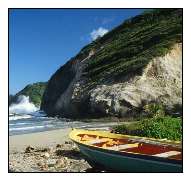 For many years tourists have flocked to the Dominican Republic primarily for its magnificent white-sand beaches. The Dominican Republic is more - a country of tremendous diversity.
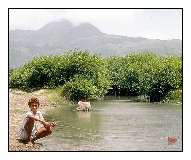 Along the Atlantic coast, on the north of the island,
